“Don’t release it there, you’ll ruin the bite.”
It’s one of the oldest myths in fishing — and one we still hear regularly. The idea is that once a fish is released, it somehow warns the others, and the fishing shuts down.
In real-world fishing — especially in Vietnam’s brackish ecosystems — that simply isn’t true.
After years of guiding catch-and-release lure fishing, we’ve seen the opposite happen more times than we can count.
Where This Myth Comes From
Most of the time, the myth is born from coincidence.
An angler catches a fish, releases it, and shortly after, the bite slows down. The release gets blamed — but fishing conditions are constantly changing, often minute by minute.
The real reasons bites slow down usually include:
- A tide window closing
- Slack water setting in
- Light levels changing
- Fish shifting position
- Increased pressure from repeated casts
None of these have anything to do with a fish being released.
Do Fish “Warn” Each Other?
Fish don’t communicate danger in the way people imagine.
Yes, stressed fish can release chemicals — but in moving brackish water:
- Those signals dilute almost instantly
- They don’t carry detailed “warnings”
- They don’t shut down feeding activity
Predatory fish like barramundi and mangrove jack are hard-wired to ambush.
If food moves through their zone, instinct takes over.
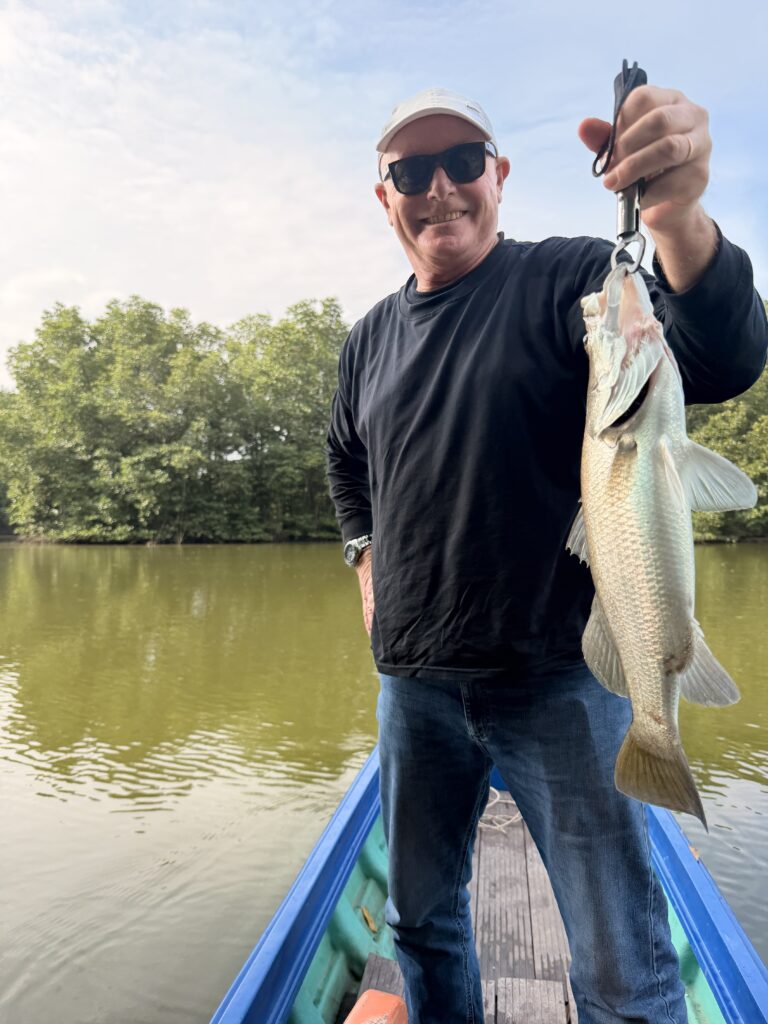
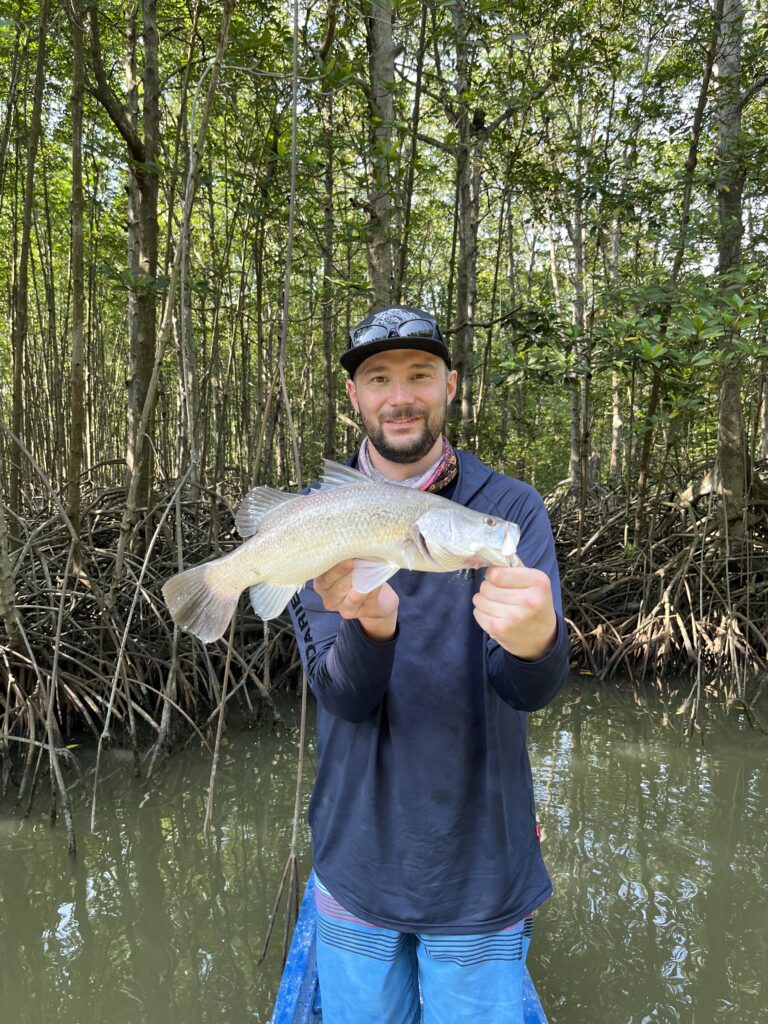
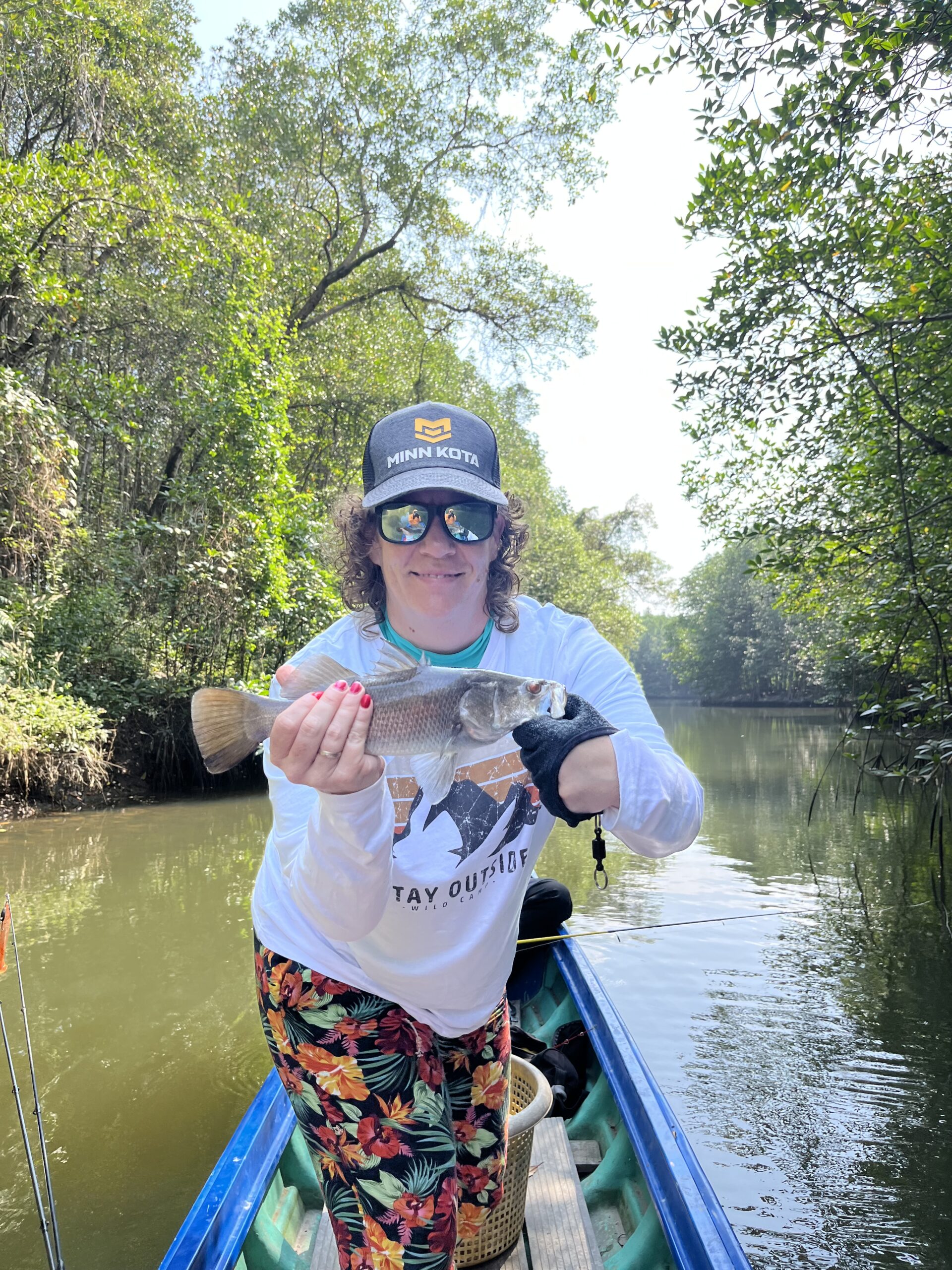
We regularly catch multiple fish from the same stretch of water during our private trips listed on the
Angler’s Vietnam tours page — often after releasing fish moments earlier.
What Actually Happens After a Proper Release
When fish are released correctly, they usually:
- Swim straight back to structure
- Reset quickly
- Resume normal feeding behavior
In many sessions, the next cast produces another strike.
That’s because the ecosystem isn’t fragile in the way the myth suggests — it’s dynamic, constantly flowing, and built around movement.
When the Bite Can Slow Down (And It’s Not the Release)
There are situations where fishing slows — but they’re related to pressure, not ethics.
1. Poor handling
Long air exposure, squeezing fish, or rough releases create unnecessary disturbance.
2. Excessive casting
Fish can become cautious after seeing dozens of lures pass through the same pocket.
3. Shallow, still water
Noise, shadows, and movement matter more here than the act of releasing a fish.
None of these are arguments against catch & release — they’re arguments for doing it properly.
Why Catch & Release Matters in Vietnam
Healthy fisheries don’t happen by accident.
Species like barramundi only reproduce once they reach a certain size.
Releasing fish allows them to:
- Grow
- Spawn
- Maintain balanced predator populations
Catch & release protects not just individual fish, but the entire ecosystem — including baitfish, water quality, and long-term fishing opportunities.
This is why all our trips focus on:
- Lure fishing
- Minimal handling
- Quick, careful releases
We care about the ecosystem — because without it, there’s no fishing 😜
Best Practices for Sustainable Catch & Release
If you want to keep the bite going and protect the fishery:
- Keep fish in the water as much as possible
- Use single hooks when practical
- Avoid long photo sessions
- Release fish gently, head-first into the water
A calm, controlled release creates far less disturbance than people expect.
The Bottom Line
Releasing a fish does not ruin the bite.
Poor timing, pressure, and changing conditions do — not ethical fishing practices.
In fact, many of the best sessions happen after releases, once fish reset and continue feeding as part of a healthy, functioning ecosystem.
If you want to experience responsible, catch-and-release lure fishing in Vietnam, explore our approach on the
or browse our private trips on the